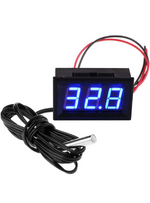
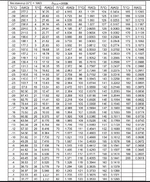
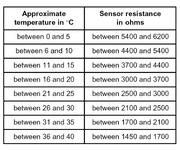
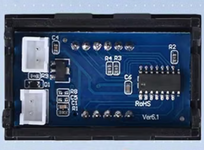
#include <Wire.h>
#include <LiquidCrystal_I2C.h>
#include <TM1637Display.h>
#include <math.h>

// ==========================================
// 1. CONFIGURACIÓN DE PANTALLA (comentar o descomentar solo una para habilitar la configuracion del hardware)
// ==========================================
#define MODO_PANTALLA_LCD
//#define MODO_PANTALLA_TM1637

// ==========================================
// 2. INTERFAZ DE CONTROL (comentar o descomentar solo una para habilitar la configuracion del hardware)
// ==========================================
#define CONTROL_POR_POTENCIOMETROS
//#define CONTROL_POR_PULSADORES

// ==========================================
// 3. SELECCIÓN DE SENSOR NTC (comentar o descomentar solo una para habilitar la configuracion del hardware)
// ==========================================
//#define SENSOR_NTC_ANALOGICO
#define SENSOR_MAX6682

// ==========================================
// ASIGNACIÓN ESTRICTA DE PINES I/O
// ==========================================
const int PIN_RELAY          = 10;
const int PIN_PWM_BRILLO     = 6;   // Salida PWM física para controlar el brllo del display LCD

#ifdef CONTROL_POR_POTENCIOMETROS
  const int PIN_POT_SETPOINT = A1;
  const int PIN_POT_BRILLO   = A2;
#endif

#ifdef CONTROL_POR_PULSADORES
  const int PIN_BTN_SET_UP   = 2;
  const int PIN_BTN_SET_DOWN = 3;
  const int PIN_BTN_BRI_UP   = 4;
  const int PIN_BTN_BRI_DOWN = 5;
#endif

#ifdef SENSOR_NTC_ANALOGICO
  const int pinNTC           = A0;
  const float R_AUX          = 3000.0;
  const float R_NOMINAL      = 3000.0;
  const float T_NOMINAL      = 25.0;
  const float BETA           = 3950.0;
#endif

#ifdef SENSOR_MAX6682
  const int MAX6682_CS       = 7;
  const int MAX6682_MISO     = 12;
  const int MAX6682_SCK      = 13;
#endif

// ==========================================
// PARAMETROS POR SI SE USA EL MOD TERMOSTATO
// ==========================================
const float HISTERESIS       = 1.0;
// el agua tiene inercia térmica, asi que sumamos3 minutos en milisegundos para proteger el equipo para no ciclar rápido... 3 minutos es una delta considerable
const unsigned long TIEMPO_MIN_APAGADO = 180000;

// Variables de control interno
int nivelBrillo = 4;
int setpointDecimas = 300;
bool relayActivo = false;
unsigned long tUltimoApagado = 0; // registro para el anti-cicladorapido

// Variables para la lógica del TM1637 (Titileo y timeout de 2 segundos)
unsigned long tUltimoCambioSet = 0;
bool mostrandoSetpoint = false;
bool alternarTitileo = false;
unsigned long tUltimoTitileo = 0;

// Instanciación de pantallas (A4 y A5 se manejan nativos por Wire en I2C)
#ifdef MODO_PANTALLA_LCD
  LiquidCrystal_I2C lcd(0x27, 16, 2);
#endif
#ifdef MODO_PANTALLA_TM1637
  #define CLK_TM1637 8
  #define DIO_TM1637 9
  TM1637Display tmDisplay(CLK_TM1637, DIO_TM1637);
#endif

// Función de lectura MAX6682
#ifdef SENSOR_MAX6682
float leerMAX6682()
  {
  unsigned int datos = 0;
  digitalWrite(MAX6682_CS, LOW);
  delayMicroseconds(1);
  for (int i = 15; i >= 0; i--)
    {
    digitalWrite(MAX6682_SCK, HIGH);
    delayMicroseconds(1);
    if (digitalRead(MAX6682_MISO)) datos |= (1 << i);
    digitalWrite(MAX6682_SCK, LOW);
    delayMicroseconds(1);
    }
  digitalWrite(MAX6682_CS, HIGH);
  if (datos == 0xFFFF || datos == 0) return -999.0;
  return ((datos >> 5) & 0x03FF) * 0.25;
  }
#endif

void setup()
  {
  pinMode(PIN_RELAY, OUTPUT);
  digitalWrite(PIN_RELAY, LOW);
  pinMode(PIN_PWM_BRILLO, OUTPUT);

  #ifdef CONTROL_POR_PULSADORES
    pinMode(PIN_BTN_SET_UP, INPUT_PULLUP);
    pinMode(PIN_BTN_SET_DOWN, INPUT_PULLUP);
    pinMode(PIN_BTN_BRI_UP, INPUT_PULLUP);
    pinMode(PIN_BTN_BRI_DOWN, INPUT_PULLUP);
  #endif

  #ifdef SENSOR_MAX6682
    pinMode(MAX6682_CS, OUTPUT);
    pinMode(MAX6682_SCK, OUTPUT);
    pinMode(MAX6682_MISO, INPUT);
    digitalWrite(MAX6682_CS, HIGH);
    digitalWrite(MAX6682_SCK, LOW);
  #endif

  #ifdef MODO_PANTALLA_LCD
    lcd.init();
    lcd.clear();
  #endif
  #ifdef MODO_PANTALLA_TM1637
    tmDisplay.clear();
  #endif
  }

void loop()
  {
  int anteriorSetpoint = setpointDecimas;

  /////////////////////////////////////////
  // 1_INTERFAZ DE USUARIO
 /////////////////////////////////////////
  #ifdef CONTROL_POR_POTENCIOMETROS
    int lecturaBrillo = analogRead(PIN_POT_BRILLO);
    #ifdef MODO_PANTALLA_LCD
      nivelBrillo = map(lecturaBrillo, 0, 1023, 0, 255);
    #endif
    #ifdef MODO_PANTALLA_TM1637
      nivelBrillo = map(lecturaBrillo, 0, 1023, 0, 7);
    #endif

    int lecturaSet = analogRead(PIN_POT_SETPOINT);
    setpointDecimas = map(lecturaSet, 0, 1023, 150, 450); // 15.0°C a 45.0°C
  #endif

  #ifdef CONTROL_POR_PULSADORES
    if (digitalRead(PIN_BTN_BRI_UP) == LOW)
     {
      #ifdef MODO_PANTALLA_LCD
        nivelBrillo = min(nivelBrillo + 15, 255);
      #endif
      #ifdef MODO_PANTALLA_TM1637
        nivelBrillo = min(nivelBrillo + 1, 7);
      #endif
      delay(150);
     }
    if (digitalRead(PIN_BTN_BRI_DOWN) == LOW)
     {
      #ifdef MODO_PANTALLA_LCD
        nivelBrillo = max(nivelBrillo - 15, 0);
      #endif
      #ifdef MODO_PANTALLA_TM1637
        nivelBrillo = max(nivelBrillo - 1, 0);
      #endif
      delay(150);
     }

    if (digitalRead(PIN_BTN_SET_UP) == LOW)
     {
      setpointDecimas = min(setpointDecimas + 1, 450);
      delay(150);
     }
    if (digitalRead(PIN_BTN_SET_DOWN) == LOW)
     {
      setpointDecimas = max(setpointDecimas - 1, 150);
      delay(150);
     }
  #endif

  // Detectar si se modifico el setpoint
  if (setpointDecimas != anteriorSetpoint)
   {
    tUltimoCambioSet = millis();
    mostrandoSetpoint = true;
   }

  // aplicar brillo por hardware en D6 (para el LCD se usa el pin PWM)
  #ifdef MODO_PANTALLA_LCD
    analogWrite(PIN_PWM_BRILLO, nivelBrillo);
  #endif
  #ifdef MODO_PANTALLA_TM1637
    tmDisplay.setBrightness(nivelBrillo);
  #endif

  float tempSetpointReal = setpointDecimas / 10.0;

  /////////////////////////////
  // 2_ADQUISICION DEL SENSOR
  ///////////////////////////
  float temperaturaC = 0.0;
  bool errorSensor = false;

  #ifdef SENSOR_NTC_ANALOGICO
    int valorADC = analogRead(pinNTC);
    if (valorADC <= 0 || valorADC >= 1023)
     {
      errorSensor = true;
     }
     else
     {
      float resistenciaNTC = R_AUX * ((1023.0 / (float)valorADC) - 1.0);
      float temperaturaK = resistenciaNTC / R_NOMINAL;
      temperaturaK = log(temperaturaK);
      temperaturaK /= BETA;
      temperaturaK += 1.0 / (T_NOMINAL + 273.15);
      temperaturaK = 1.0 / temperaturaK;
      temperaturaC = temperaturaK - 273.15;
     }
  #endif

  #ifdef SENSOR_MAX6682
    temperaturaC = leerMAX6682();
    if (temperaturaC == -999.0) errorSensor = true;
  #endif

  if (errorSensor)
   {
    digitalWrite(PIN_RELAY, LOW);
    #ifdef MODO_PANTALLA_LCD
      lcd.setCursor(0, 0); lcd.print("ERROR SENSOR    ");
      lcd.setCursor(0, 1); lcd.print("SISTEMA PARADO  ");
    #endif
    #ifdef MODO_PANTALLA_TM1637
      uint8_t dataErr[] = { 0x79, 0x50, 0x50, 0x00 };
      tmDisplay.setSegments(dataErr);
    #endif
    delay(500);
    return;
   }

  ////////////////////////////////
  // 3_LÓGICA DE CONTROL DE RELAY
  /////////////////////////////////
  unsigned long tiempoActual = millis();

  if (temperaturaC <= (tempSetpointReal - HISTERESIS))
   {
    // Intenta encender la caldera porque hace frío
    // Evaluamos si ya pasó el tiempo prudencial de protección desde el último apagado
    if (!relayActivo && (tiempoActual - tUltimoApagado >= TIEMPO_MIN_APAGADO || tUltimoApagado == 0))
     {
      relayActivo = true;
     }
   }
  else if (temperaturaC >= (tempSetpointReal + HISTERESIS))
   {
    // Apaga la caldera porque ya llegó a la temperatura objetivo
    if (relayActivo)
     {
      relayActivo = false;
      tUltimoApagado = tiempoActual; // Guardamos la hora exacta del apagado
     }
   }

  digitalWrite(PIN_RELAY, relayActivo ? HIGH : LOW);

  ///////////////////////////
  // 4. CONTROL DE PANTALLAS
  ///////////////////////////
  #ifdef MODO_PANTALLA_LCD
    // linea 1: temperatura actual y estado del relay
    lcd.setCursor(0, 0);
    lcd.print("TEMP: "); lcd.print(temperaturaC, 1); lcd.write(0xDF); lcd.print("C  ");
    lcd.setCursor(12, 0);
    lcd.print(relayActivo ? "[ON]" : "[OFF]");

    // Línea 2: temperatura seteada
    lcd.setCursor(0, 1);
    lcd.print("SET:  "); lcd.print(tempSetpointReal, 1); lcd.write(0xDF); lcd.print("C  ");
  #endif

  #ifdef MODO_PANTALLA_TM1637
    // Evaluar la ventana de tiempo de 2 segundos (2000 ms) tras tocar el setpoint
    if (mostrandoSetpoint && (tiempoActual - tUltimoCambioSet < 2000))
     {
      // Controlar el ritmo del titileo (cada 200 ms vacía/muestra)
      if (tiempoActual - tUltimoTitileo > 200)
       {
        alternarTitileo = !alternarTitileo;
        tUltimoTitileo = tiempoActual;
       }

      if (alternarTitileo)
       {
        tmDisplay.clear();
       }
       else
       {
        tmDisplay.showNumberDec((int)tempSetpointReal, false);
       }
     }
     else
     {
      // Pasaron los 2 segundos o no se tocó nada: vuelve a temperatura actual fija
      mostrandoSetpoint = false;
      tmDisplay.showNumberDec((int)temperaturaC, false);
     }
  #endif
  delay(20);
}